
Double Layer Safety Nets Supplier
Introduction
Balaji Safety Projects provides workplace safety netting solutions for the roofing and construction industries. Additionally, our product range encompasses Braided Safety Nets, Agro Shade Nets, Monofilament Nets / Scaffolding Nets, Anti-Bird Net, Bird Spikes, Full Body Harness & Protective Equipment, and ropes etc. We use good quality raw materials to make these safety nets and ropes. Since the establishment of the company, we regularly improvise on our existing range of products of safety nets in order to come up with products that stand high on performance and durability.
Safety is one of the most important requirements in construction, industrial, and infrastructure projects. Workers often perform their jobs at heights, on rooftops, scaffolding, bridges, and other risky locations. In such environments, proper safety arrangements are necessary to reduce accidents and protect workers. One of the most effective safety solutions is the use of double-layer safety nets.
If you are searching for a reliable Double Layer Safety Nets Supplier, choosing a company that understands safety requirements and product quality is important. Double layer safety nets provide an additional layer of protection and help improve workplace safety. They are widely used at construction sites, industrial buildings, commercial projects, and infrastructure developments.
Balaji Safety Projects focuses on providing safety net solutions for different project requirements. With an emphasis on quality, reliability, and customer satisfaction, the company aims to support safer working environments.
What Are Double Layer Safety Nets
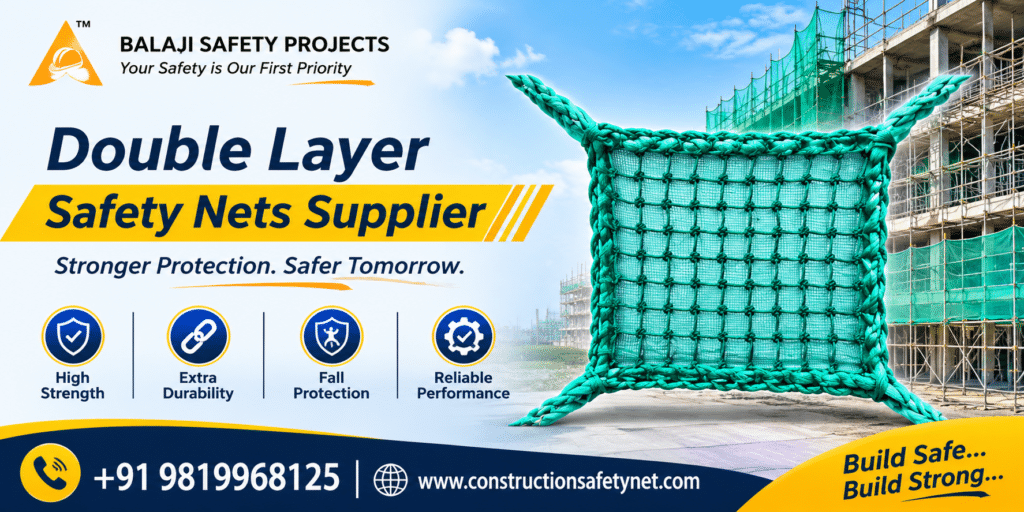
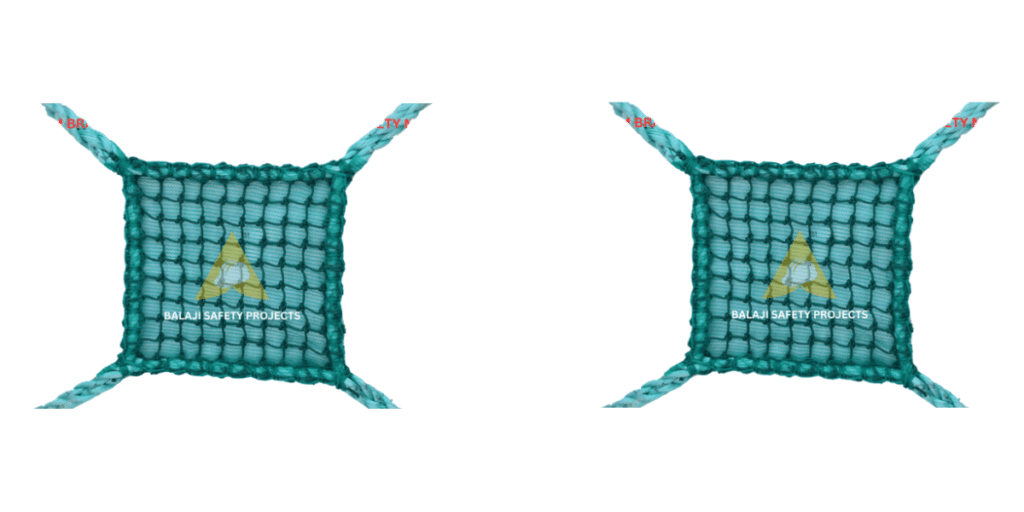
Double layer safety nets are safety systems designed with two layers of netting to provide additional protection in areas where there is a risk of falling objects or people. These nets are generally installed below working platforms, building structures, or other elevated work areas.
The two-layer arrangement can provide an additional catching surface and help improve protection when properly designed and installed. These nets are particularly useful in projects where workers are handling construction materials at different heights.
Double-layer safety nets are especially useful at construction sites where multiple activities take place at different heights. The quality of the net, mesh size, material strength, installation method, and load capacity are important factors when selecting a suitable safety net system.
Importance of Double Layer Safety Nets
Construction and industrial activities involve several safety challenges. Workers may handle heavy materials, tools, and equipment at elevated locations. Even a small mistake can result in serious accidents.
1. Additional Protection
The two-layer design provides an additional protective arrangement for applications where falling objects are a concern. It can help improve site safety when properly selected and installed.
2. Protection Against Falling Materials
Construction materials, small tools, and debris can create dangerous situations when they fall from elevated areas. Suitable safety net systems help catch or contain such materials.
3. Improved Workplace Safety
Installing suitable safety nets helps construction companies create a more organised and safety-conscious working environment.
4. Suitable for Large Construction Projects
Double-layer safety nets can be considered for residential buildings, commercial complexes, industrial plants, warehouses, and infrastructure projects.
5. Support for Safety Management
Using appropriate safety equipment helps contractors follow their site safety procedures and reduce workplace hazards.
Types of Double Layer Safety Nets
Different projects require different types of safety nets. The selection depends on the working environment, required strength, installation height, and safety standards.
1. HDPE Double Layer Safety Nets
HDPE (High-Density Polyethene) Double Layer Safety Nets are widely used in construction and industrial applications. These nets are lightweight, durable, and resistant to moisture. Their two-layer structure provides additional protection and makes them suitable for building construction, renovation, and maintenance work.
2. Nylon Double Layer Safety Nets
Nylon Double Layer Safety Nets are known for their flexibility, strength, and excellent resistance to wear. They are suitable for applications where strong and flexible netting is required. These nets can help provide additional protection against falling objects and are used in selected industrial and construction environments.
3. Knotted Double Layer Safety Nets
Knotted Double Layer Safety Nets are manufactured by joining net threads through strong knots. This construction helps maintain the net structure during regular use. They are suitable for construction sites, scaffolding areas, and other locations where dependable netting is required.
4. Knotless Double Layer Safety Nets
Knotless Double Layer Safety Nets feature a smooth net structure without traditional knots. They offer flexibility and a uniform appearance. These nets are useful in applications where easy handling, consistent construction, and reliable material performance are important.
5. Construction Double Layer Safety Nets
Construction Double Layer Safety Nets are specially used at building sites, high-rise projects, bridges, and scaffolding areas. They provide an additional protective barrier against falling materials and help improve safety around elevated working areas.
6. Industrial Double Layer Safety Nets
Industrial Double Layer Safety Nets are designed for factories, manufacturing units, warehouses, and industrial facilities. They can be installed in selected areas to help protect workers, equipment, and surrounding spaces from falling objects.
Applications of Double Layer Safety Nets
Double layer safety nets are used in several industries because they offer an additional protective arrangement for elevated work environments.
1. High-Rise Building Construction
Double Layer Safety Nets are commonly installed around high-rise buildings during construction. They help catch falling construction materials, tools, and debris, reducing the risk of injuries to workers and people below. Their double-layer structure provides an additional level of protection at elevated work areas.
2. Residential Construction Projects
Residential construction sites involve activities such as wall installation, plastering, painting, and roofing. Double Layer Safety Nets can be installed around building structures to improve safety and control falling debris. They are useful for protecting workers and nearby areas during different construction stages.
3. Commercial Building Projects
Shopping malls, office buildings, hotels, and commercial complexes require proper safety arrangements during construction and maintenance. Double Layer Safety Nets help provide protection around open edges and elevated working areas. They support safer working conditions for construction teams.
4. Industrial Plant Safety
Factories and industrial plants often involve machinery installation, equipment maintenance, and elevated operations. Double Layer Safety Nets can be used in selected areas to help prevent tools and materials from falling onto workers or equipment below.
5. Bridge and Flyover Construction
Bridge and flyover construction projects involve working at significant heights above roads, railways, and other public areas. Double Layer Safety Nets can be installed beneath or around suitable work zones to help catch falling debris and improve site safety.
6. Scaffolding Protection
Scaffolding is frequently used for painting, plastering, repairing, and building maintenance. Double Layer Safety Nets can be fitted around scaffolding structures to provide additional containment against falling objects and construction waste.
7. Infrastructure Development
Infrastructure projects such as tunnels, highways, metro stations, and large public structures require reliable safety arrangements. Double Layer Safety Nets can be used in suitable elevated work areas to help reduce hazards caused by falling materials.
8. Warehouse and Storage Facilities
Warehouses often have high storage racks, elevated platforms, and material-handling systems. Safety nets can be installed in selected locations to help prevent stored items or loose materials from falling and causing injuries or property damage.
9. Roof Maintenance and Repair Work
Roofing activities involve workers operating on elevated and sometimes slippery surfaces. Double Layer Safety Nets can be used as part of a suitable fall-protection system to reduce the consequences of accidental falls. Proper installation and compliance with applicable safety standards are essential.
10. Shipbuilding and Marine Industries
Shipbuilding and marine maintenance involve working on large structures, elevated platforms, and complex equipment. Double Layer Safety Nets can be used in appropriate work zones to help control falling tools and materials while supporting safer maintenance operations.
Benefits of Choosing a Reliable Double Layer Safety Nets Supplier
Selecting the right supplier is important because safety products must meet the requirements of the working environment. A reliable supplier can help customers choose suitable products according to their applications.
1. Enhanced Worker Safety
The primary benefit of Double Layer Safety Nets is improved worker protection. The two-layer design provides an additional safety barrier that helps protect workers from accidental falls during construction, maintenance, and other height-related activities.
2. Double-Layer Protection
Unlike conventional single-layer nets, double-layer safety nets provide two levels of protection. This additional layer can help improve safety and provide extra support when properly designed and installed according to site requirements.
3. Reduced Risk of Accidents
Construction sites involve several risks, especially when workers operate on elevated surfaces. Installing Double Layer Safety Nets helps reduce the chances of severe injuries by providing a protective catching system beneath working areas.
4. Strong and Durable Construction
Quality Double Layer Safety Nets are manufactured using durable materials such as high-strength synthetic ropes and suitable netting materials. They are designed to withstand regular workplace conditions when selected, installed, and maintained correctly.
5. Protection Against Falling Objects
These safety nets can also help catch certain falling tools, construction materials, and debris, depending on their mesh size, load capacity, and installation design. This helps improve safety for workers and people moving below elevated work areas.
6. Cost-Effective Safety Solution
Workplace accidents can result in medical expenses, project delays, and financial losses. Installing properly selected Double Layer Safety Nets is a practical investment that helps businesses improve workplace safety and reduce potential accident-related costs.
7. Weather Resistance
Depending on the material and protective treatment, Double Layer Safety Nets can offer resistance to sunlight, moisture, and changing weather conditions. UV-stabilised materials are particularly useful for outdoor construction applications.
8. Easy Installation and Maintenance
Double Layer Safety Nets can be installed using suitable fixing arrangements and support systems. Regular inspection, cleaning, and maintenance help ensure that the nets remain in good working condition throughout their service life.
9. Improved Workplace Confidence
A properly installed safety net system creates a more secure working environment. Workers can perform their assigned tasks with greater confidence when appropriate fall-protection measures are provided.
How to Choose the Right Double Layer Safety Nets
Before purchasing double layer safety nets, buyers should consider several important factors.
- Material Quality: Check the material used in the manufacturing process.
- Mesh Size: Select a suitable mesh size according to the application and safety requirements.
- Load Capacity: Verify the rated capacity and relevant test information.
- Weather Resistance: Consider exposure to sunlight, rain, and outdoor conditions.
- Installation Requirements: Ensure the net can be installed using an appropriate support system.
- Safety Standards: Check compliance with applicable safety standards and project requirements.
- Supplier Experience: Choose a supplier who understands construction and industrial safety requirements.
Proper installation, inspection, and maintenance are equally important. Safety nets should be installed by competent personnel and inspected regularly according to applicable safety guidelines.
Why Choose Balaji Safety Projects
When it comes to workplace protection, selecting the right safety partner makes a difference. Balaji Safety Projects aims to provide dependable safety net solutions for construction, infrastructure, and industrial applications.
1. High-Quality Material
A reliable supplier provides double-layer safety nets manufactured using quality materials such as high-strength polypropylene (PP) or other suitable synthetic fibres. These materials offer good strength, flexibility, and resistance to regular site conditions. Quality materials help improve the overall performance and service life of safety nets.
2. Enhanced Workplace Safety
Double-layer safety nets provide an additional protective barrier compared to single-layer arrangements. They help reduce the risk of falling objects and improve safety management at construction sites. A dependable supplier understands the importance of workplace protection and offers suitable netting solutions for different applications.
3. Strong Load-Bearing Capacity
Safety nets must be designed to withstand the loads specified for their intended application. An experienced supplier can guide buyers in selecting nets with appropriate strength, mesh size, rope construction, and installation requirements.
4. Durable and Long-Lasting Products
Durability is an important factor when selecting safety nets. Good-quality nets are designed to withstand regular handling and exposure to site conditions. Depending on the material and protective treatment, they may also offer resistance to moisture and sunlight.
5. Customised Safety Solutions
Every construction project has different safety requirements. A professional Double Layer Safety Nets Supplier can provide customised sizes, mesh configurations, and net arrangements according to site dimensions and application needs. This helps ensure proper coverage and suitable installation.
6. Reliable Product Performance
A trusted supplier focuses on product quality, manufacturing consistency, and performance. Properly manufactured safety nets help create a safer working environment when installed and maintained according to the manufacturer’s instructions and applicable safety standards.
7. Cost-Effective Safety Investment
Investing in quality double-layer safety nets can help reduce the chances of accidents, material damage, and work interruptions. Choosing durable products also helps minimise frequent replacement costs, making them a practical long-term investment for construction companies and industrial businesses.
8. Compliance with Safety Requirements
A professional supplier understands the importance of applicable workplace safety regulations and industry standards. Buyers should look for products with relevant test reports, certifications, and documented performance specifications to ensure that the nets meet project requirements.
9. Suitable for Multiple Applications
Double layer safety nets are useful in various industries and work environments, including construction sites, infrastructure projects, building maintenance, industrial facilities, and high-rise structures. A knowledgeable supplier can recommend suitable products based on the working environment.
Frequently Asked Questions (FAQs)
1. What are double layer safety nets?
Double layer safety nets are protective netting systems made with two layers to provide additional protection against certain falling-object and height-related risks.
2. Where are double-layer safety nets used?
They are commonly used at construction sites, high-rise buildings, industrial facilities, bridges, warehouses, and infrastructure projects.
3. What materials are used to manufacture double layer safety nets?
Depending on the product, materials such as HDPE and nylon may be used. The selection depends on the intended application and specifications.
4. Are double-layer safety nets suitable for high-rise buildings?
Yes, suitable safety nets can be used in high-rise construction projects when selected and installed according to the required safety standards.
5. How do I select the right double layer safety net?
Consider material, mesh size, load capacity, dimensions, weather exposure, installation requirements, and applicable safety standards.
6. Why is net inspection important?
Regular inspection helps identify wear, damage, loose connections, and other problems that could affect the safety net’s performance.
7. Why choose Balaji Safety Projects?
Balaji Safety Projects focuses on safety net solutions for construction and industrial applications, with attention to quality and customer requirements.
Conclusion
Double-layer safety nets play an important role in improving protection at construction sites and industrial workplaces. Their two-layer design provides an additional protective arrangement for suitable applications, helping manage falling-object risks and supporting workplace safety.
Choosing the right product requires attention to material quality, load capacity, mesh size, installation, and applicable safety standards. Working with a reliable Double Layer Safety Nets Supplier can make product selection easier and help ensure that your project receives a suitable safety solution.
Balaji Safety Projects is committed to supporting safer workplaces through dependable safety net solutions. Choose the right safety products and make workplace protection an important part of every project.